Verified Treatment Center
Safe and Sound Transitional Living
Redmond, WA · 98052
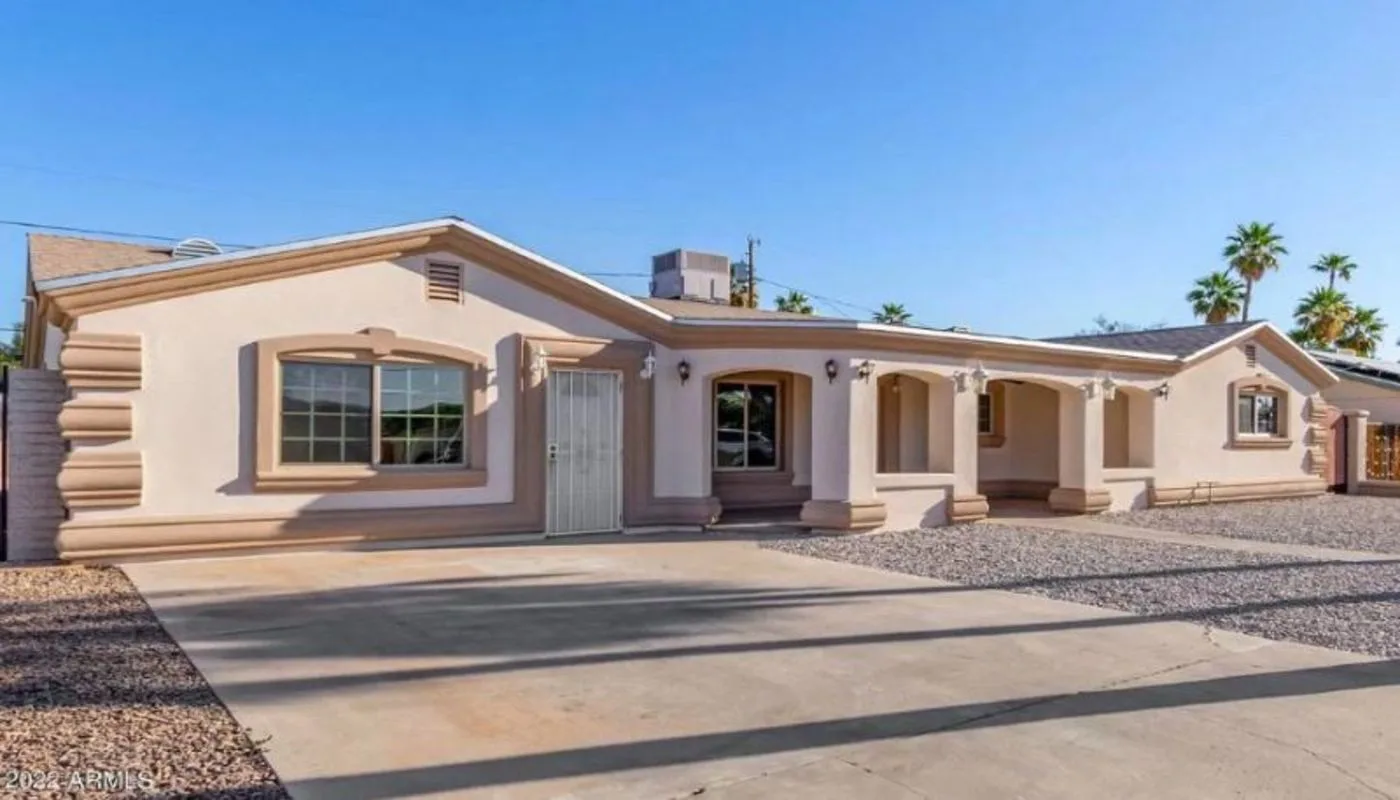
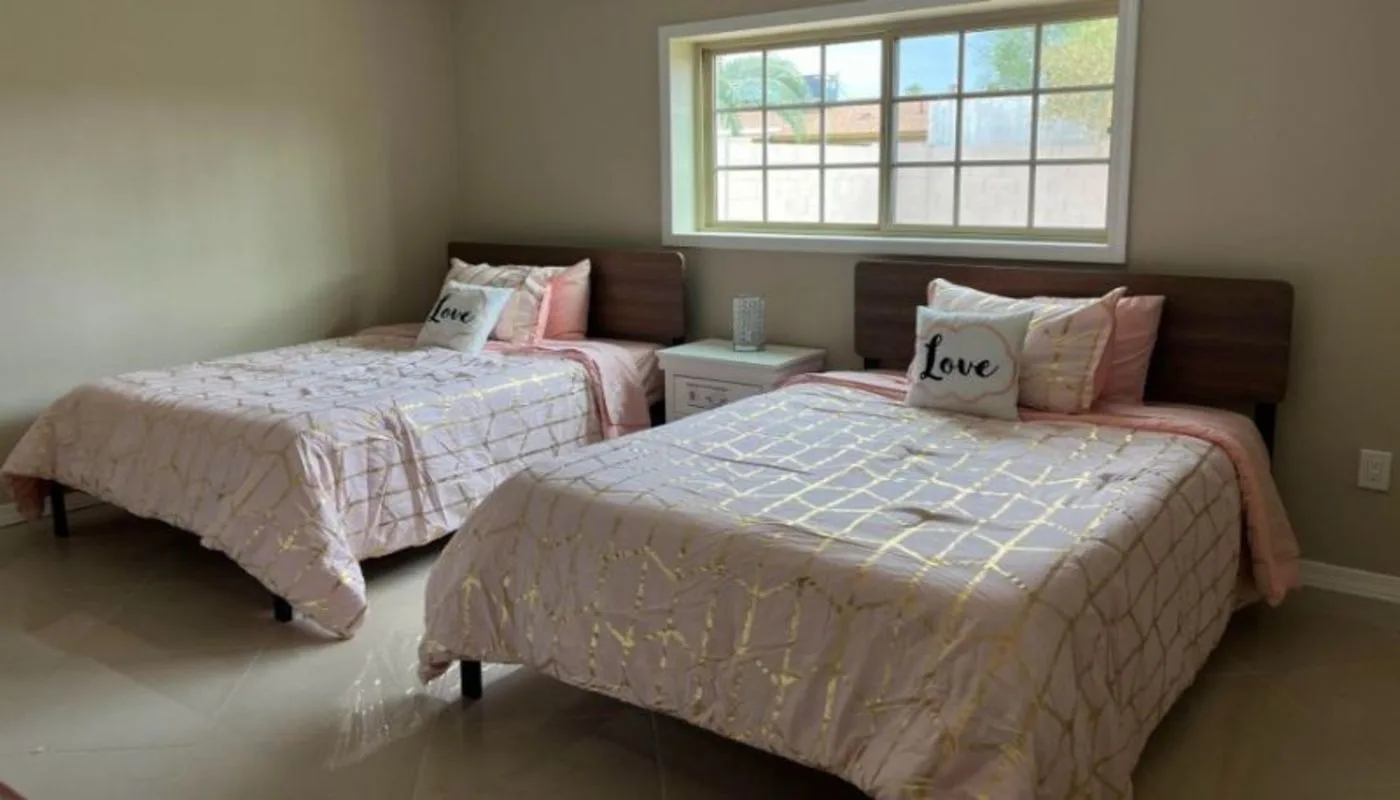
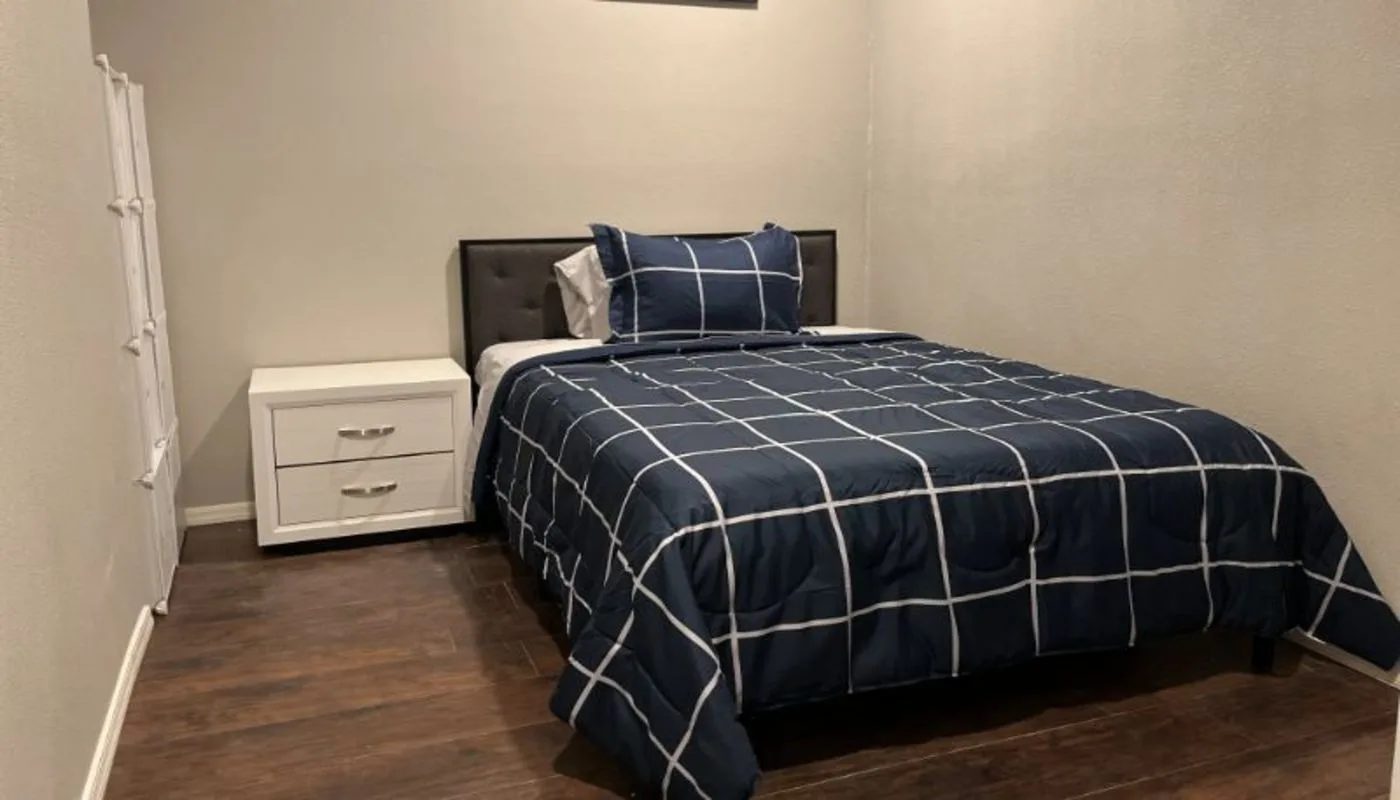
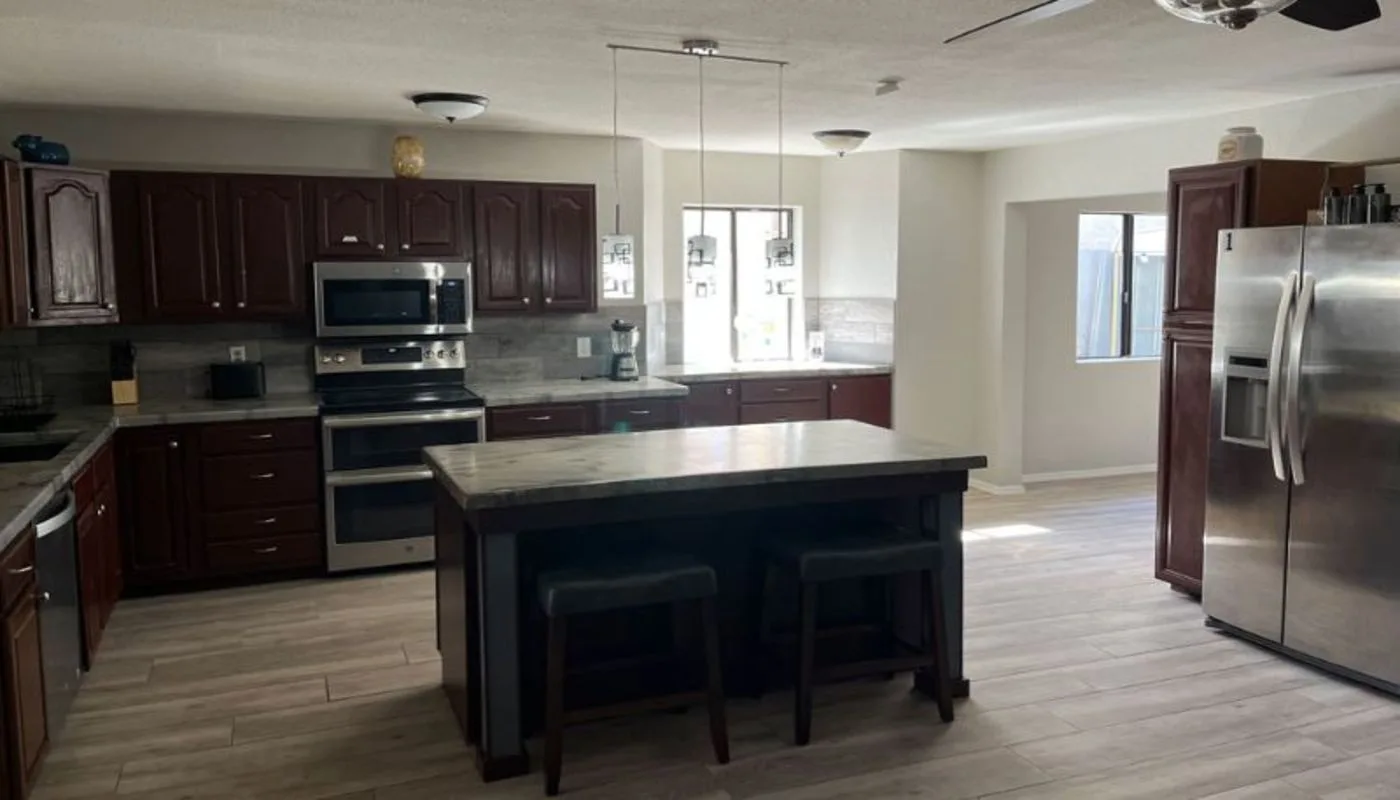
Photos sourced from facility public listings · Click to view full size
Key Takeaways for Safe and Sound Transitional Living
- • Outpatient · MAT · Dual Dx offered
- • Accepts Medicaid, Medicare, Private insurance
- • SAMHSA-listed facility
- • Direct line available · Helpline free & confidential 24/7
About Safe and Sound Transitional Living
The short picture on Safe and Sound Transitional Living (Redmond, WA): The facility offers a continuum of care across multiple levels — Outpatient, MAT, Dual Dx — which means it can, in principle, hold a patient across the arc of a typical treatment episode. The longer picture — clinical framework, payer mix, outcomes — takes a few specific questions to surface.
Care levels at Safe and Sound Transitional Living
The facility offers a continuum of care across multiple levels — Outpatient, MAT, Dual Dx — which means it can, in principle, hold a patient across the arc of a typical treatment episode. The practical question is whether it is genuinely strong at each level, or whether one level is the core business and the others are secondary. The level-of-care question is where a lot of misaligned placements happen — a patient who needs residential ends up in IOP, or vice versa. The protection is a clinical assessment outside the facility's admissions team.
Insurance and payment
Safe and Sound Transitional Living accepts both Medicaid and commercial insurance, which is the broadest payer profile and typically correlates with programs that operate at scale across the economic spectrum. Most post-treatment billing disputes trace back to a specific moment when an admissions counselor said one thing and the benefits department later documented something else. Avoid the moment by getting the written VOB before admission, not after.
Specialty programming
The facility's documented specialty programming includes: Young adults, Children/adolescents with serious emotional disturbance (SED), Persons 18 and older with serious mental illness (SMI). A facility's specialty designation is a starting filter, not an endorsement. The operational questions (who leads it, how many hours per week, what credentials) are where the actual answer lives.
Before you call
Three questions for Safe and Sound Transitional Living before you sign anything: what ASAM level you are being admitted at; what the written VOB says for your plan; how the program handles MAT. The facility's documented pharmacotherapy offerings suggest MAT is available — confirm the specific medications and prescriber access during the admissions conversation. These three together tell you most of what a facility's about.
Listing sourced from the SAMHSA Behavioral Health Treatment Services Locator. Data last synced April 2026. Verify current programs directly with the facility.
Safe and Sound Transitional Living at a Glance
Levels of care
Outpatient · MAT · Dual Dx
Service settings
Outpatient
Therapy approaches
Activity therapy, Cognitive behavioral therapy, Couples/family therapy, Dialectical behavior therapy, Group therapy, Individual psychotherapy
Age groups
Children/Adolescents, Young Adults, Adults, Seniors
Special populations
Young adults, Children/adolescents with serious emotional disturbance (SED), Persons 18 and older with serious mental illness (SMI)
Medications
Haloperidol, Aripiprazole, Clozapine, Lurasidone, Olanzapine, Quetiapine
Insurance & Payment Accepted
Confirm in-network status before admission — verification is free.
Medicaid
Coverage details →Medicare
Coverage details →Private insurance
Coverage details →TRICARE / VA
Contact & Location
Address
16255 NE 87th Street, Redmond, WA 98052
Facility direct line
(602) 654-2149Website
safeandsoundliving.orgQuestions about this facility
Common questions about Safe and Sound Transitional Living
Answered from public sources: SAMHSA listings, federal parity regulations, and our own admissions helpline intake notes.
Is Safe and Sound Transitional Living listed in the SAMHSA Treatment Services Locator?
What insurance does Safe and Sound Transitional Living accept?
How do I know if this level of care is right for me?
Is calling confidential? Will my employer find out?
What happens if I call the helpline instead of the facility?
Similar facilities nearby